Your Coastal Home's First Line of Defense Against Severe Storms
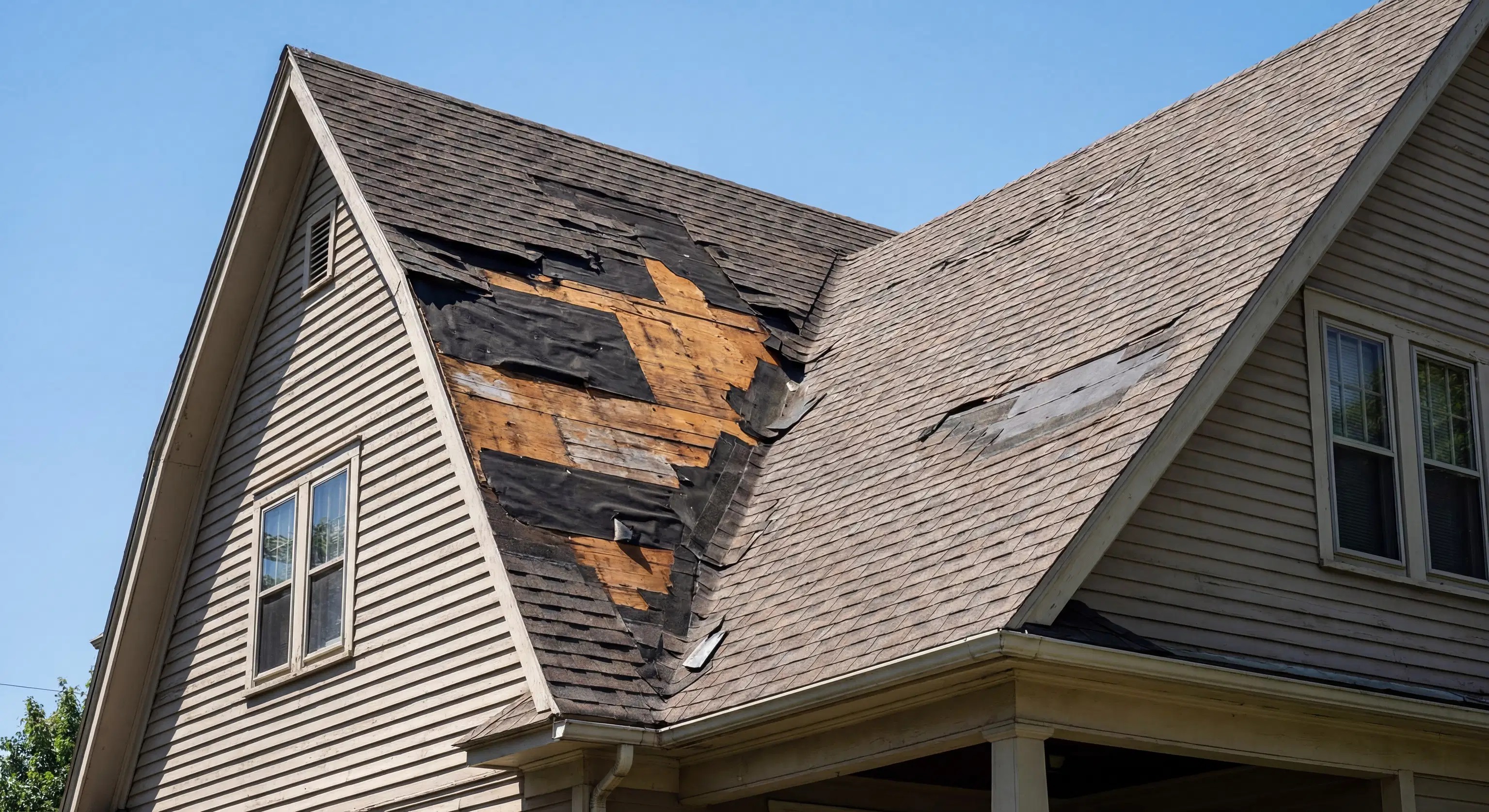
Living Down the Shore offers a beautiful lifestyle, filled with sunny beach days and relaxing ocean breezes. However, the same environment that makes Long Beach Island so appealing can also turn incredibly hostile. When a severe Nor'easter or coastal storm rolls in, the sheer force of the wind and driving rain puts your property to the ultimate test. In these extreme conditions, your roof is your home's absolute first line of defense. It takes the brunt of the weather, shielding everything and everyone inside from devastating water intrusion and structural damage.
Understanding how your roof functions as a defensive barrier is crucial for protecting your coastal investment. The requirements for homes exposed to these intense weather patterns go far beyond standard residential construction. High winds, heavy moisture, and relentless salt spray create a unique micro-climate that demands specialized materials and expert craftsmanship. Whether you are a year-round resident or managing a vacation property from afar, fortifying your home before the wind starts howling will save you from emergency roof leak repair and significant stress down the road.
Navigating High Winds, Salt Spray, and Coastal Building Codes
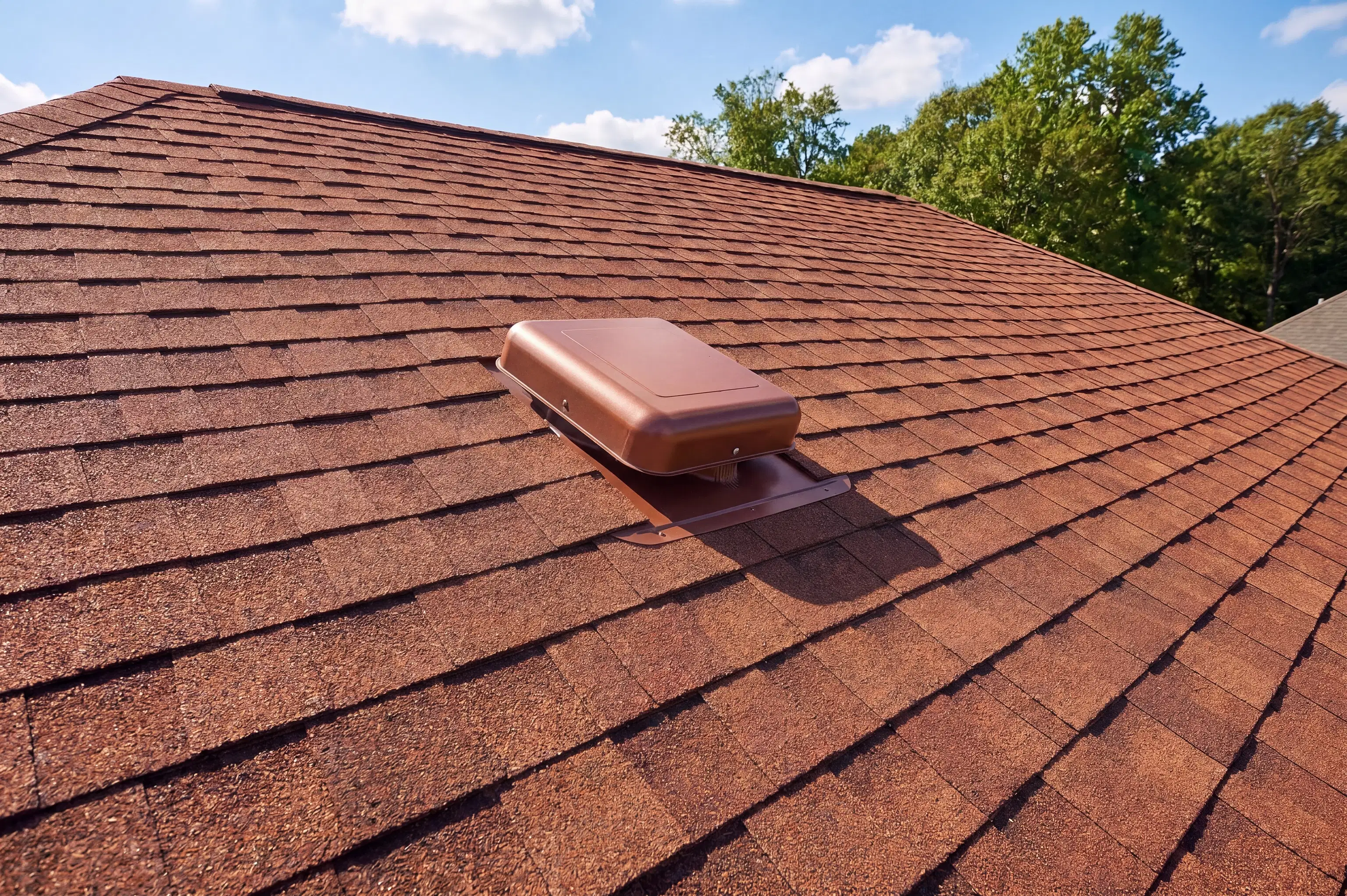
One of the most common questions homeowners ask is about the best coastal roof shingles or materials for high-wind conditions. The reality is that standard roofing materials simply cannot withstand the unique pressures of the New Jersey coast. Coastal building codes require roofing systems to meet strict wind-uplift ratings, often needing to endure winds of 130 mph or greater. This means utilizing advanced installation techniques and specific, heavy-duty materials designed to lock together and resist the intense pulling force of a storm.
Additionally, the constant exposure to salt spray introduces a hidden threat: rapid corrosion. Traditional roofing nails and flashing will rust and deteriorate quickly in the marine environment, leading to premature roof failure and vulnerability during a storm. Upgrading to corrosion-resistant materials, such as stainless steel fasteners and standing-seam metal or specialized architectural shingles, is essential. When you invest in professional residential roofing, partnering with a local contractor who thoroughly understands these strict regional requirements ensures your home is truly prepared for the worst.
Protecting the Entire Exterior Envelope
While your roof is the primary shield against overhead weather, it does not operate in isolation. A coastal storm attacks a house from all angles. If your roof is heavily fortified but the surrounding exterior is weak, wind-driven rain will simply find another way inside. The siding, windows, and doors must all work in harmony with the roof to create a sealed, weather-resistant envelope.
Upgrading your home's exterior with durable siding installation helps ensure that the structural walls remain dry and intact, preventing rot and mold. Furthermore, outdated entryways and windows are notorious points of failure during high-wind events. Integrating impact-resistant windows and doors not only improves your home's energy efficiency during extreme temperature swings but also fortifies the vulnerable openings of your house. A comprehensive approach to exterior protection is the only way to truly secure a property against unpredictable coastal weather.
The Value of Local Expertise and Remote Project Management
After a major storm, it is common to see out-of-state storm chasers flooding the area, offering quick, cheap fixes. Unfortunately, these temporary repairs often fail to meet strict local codes and leave homeowners vulnerable to the next weather event. Choosing an On-Island expert or a trusted regional contractor means you are getting a roof installation designed specifically for local weather patterns, backed by a robust 10-year workmanship warranty. If an issue ever arises, a local professional is just a phone call away, ready to respond swiftly.
We also understand that many homeowners manage their vacation properties remotely and cannot always be present for inspections or installations. To bridge this gap, modern technology like drone inspections offers rapid, highly accurate, and contactless estimates. By providing detailed, real-time photo and video updates through a digital client portal, you can monitor the progress of your coastal defense upgrades from anywhere in the world, giving you complete peace of mind.
Fortify Your Home Before the Next Storm
Your roof is a critical investment that protects your family, your belongings, and the structural integrity of your entire house. Waiting until water is actively pouring into your living room during a Nor'easter is the absolute worst time to realize your roof has failed. Proactive maintenance and timely upgrades are the keys to long-term coastal property ownership.
Whether your home is situated directly on the oceanfront or safely nestled in a neighborhood on the mainland side of the Causeway, Rampage Exteriors is here to help you build a resilient, beautiful home. Our team specializes in high-quality materials and meticulous craftsmanship designed to stand up to the harshest weather. Reach out through our contact us page today to schedule a comprehensive drone inspection and start building your home's ultimate first line of defense.