Your Roof's Unsung Hero: How Proper Attic Ventilation Protects Your Home
Your roof is one of the most critical components of your home, a shield against everything from the summer sun to winter storms. As a homeowner, you invest in high-quality materials and expert installation to ensure it lasts. But there's a hidden factor working behind the scenes that can dramatically impact your roof's lifespan and your home's health: attic ventilation. It’s an often-overlooked system that is absolutely essential for protecting your home from the elements. A properly ventilated attic isn't just an architectural feature; it's an active system that breathes, helping to prevent costly moisture damage, reduce energy bills, and maximize the life of your shingles. In this guide, we'll explore why this system is so crucial and how to ensure it's working correctly to safeguard your investment.
The Hidden Dangers of a Suffocating Attic
A poorly ventilated attic is like a pressure cooker in the summer and a terrarium in the winter. This trapped air creates a cascade of problems that can compromise your entire roofing system and even the structural integrity of your home. Understanding these risks is the first step toward preventing them.
1. Moisture, Mold, and Rot: Everyday activities like showering and cooking release warm, moist air that rises into your attic. Without a path to escape, this vapor condenses on the cooler surfaces of your roof deck and insulation. This chronic dampness is a breeding ground for mold and mildew, which can cause health issues and lead to wood rot, weakening your home's structure over time. This is a primary reason why a thorough attic inspection for moisture is a standard part of our process.
2. Premature Shingle Aging: On a sunny summer day, the temperature in an unventilated attic can soar to over 150°F. This intense heat essentially bakes your shingles from the underside, causing them to curl, crack, and lose their protective granules far sooner than their expected lifespan. This voids material warranties and leaves your home vulnerable.
3. Ice Dams in Winter: Winters can bring their own set of problems. A warm attic can melt snow on your roof, but when the water runs down to the colder eaves, it refreezes, forming a thick ridge of ice. This "ice dam" blocks proper drainage, forcing water back up under the shingles, where it can leak into your home, damaging ceilings, walls, and insulation.
4. Skyrocketing Energy Bills: That superheated attic doesn't just damage your roof; it radiates heat downward into your living spaces. This forces your air conditioning system to work overtime to keep your home comfortable, leading to significantly higher energy consumption and utility bills. Improving your home's energy efficiency starts from the top down.
The Anatomy of a Healthy, Balanced Ventilation System
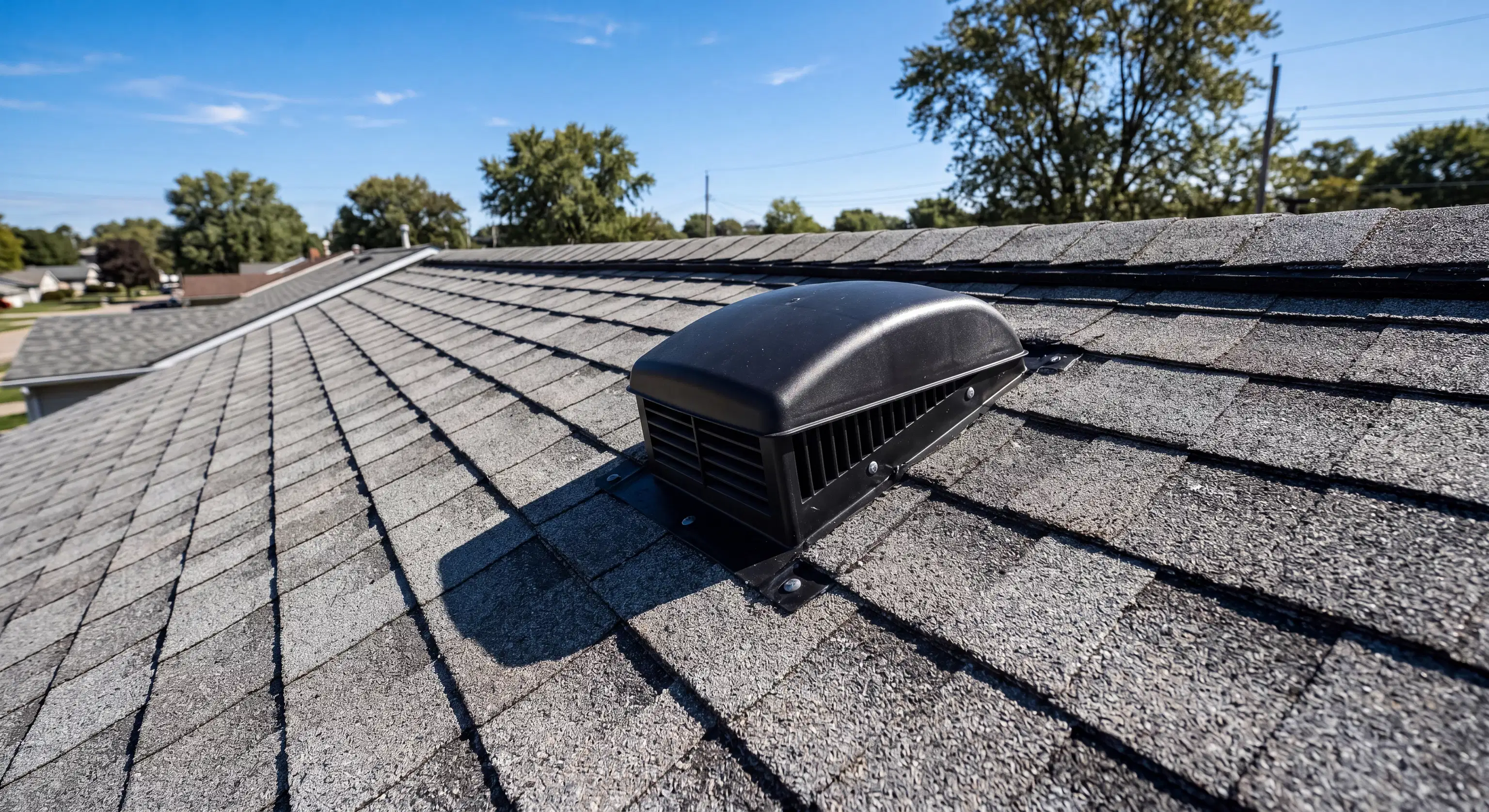
Effective attic ventilation isn't about simply adding a vent here or there; it's about creating a balanced, passive airflow system. Think of it like breathing: your attic needs to inhale cool, dry air and exhale hot, moist air. This is achieved with two main types of vents working in harmony.
-
Intake Vents: Located at the lowest part of the roof, typically in the soffits (the underside of your roof's overhang), these vents are responsible for the "inhale." They draw fresh, cool air from outside into the attic. Properly installed and maintained soffit and fascia are the foundation of this system.
-
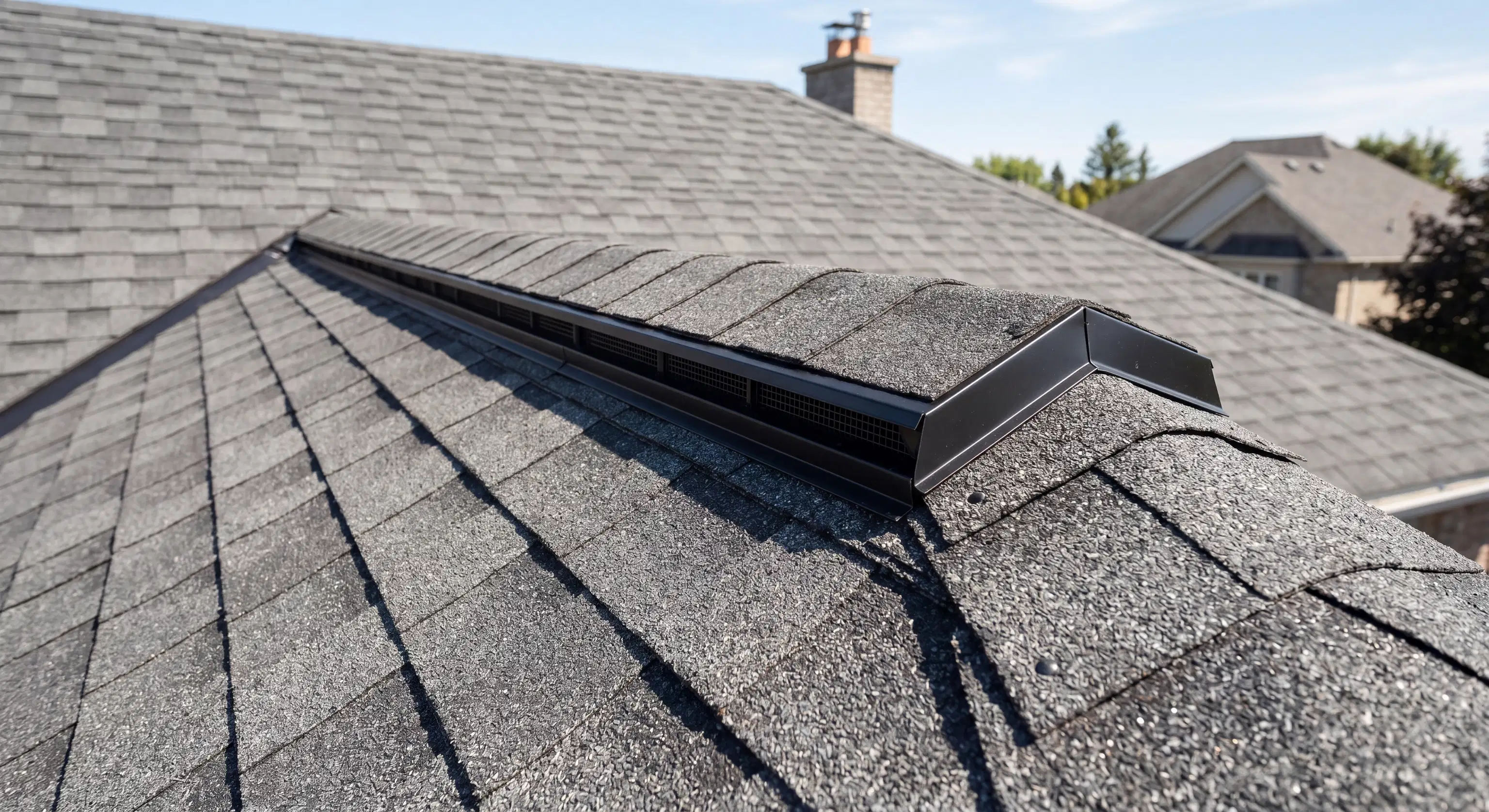
Exhaust Vents: Positioned at or near the peak of the roof, these vents complete the cycle by allowing the hot, humid air that has risen to the top of the attic to escape. The most effective and popular type is the ridge vent, which runs along the entire peak of the roof. Other options include gable vents or turbine vents.
A system is only effective when it's balanced. You need an equal or greater amount of intake ventilation compared to exhaust ventilation. Without enough intake, the exhaust vents can't draw air effectively, and in some cases, can even pull conditioned air from your living space, defeating the purpose. A professional assessment is the only way to ensure your system is designed for optimal performance.
Our Commitment: A Thorough Inspection from the Inside Out
At Rampage Exteriors, we know that a long-lasting roof is more than just new shingles. That's why our comprehensive residential roofing process always begins with a detailed property evaluation that includes a crucial look inside your attic. Before we discuss materials or colors, we assess the health of your ventilation and insulation. We check for signs of moisture, blockages in your soffit vents, and determine if your current system is adequate for your home's design and local climate.
This thorough approach ensures that your new roof is built on a healthy foundation, protecting it from premature failure and safeguarding your home against the elements. By addressing ventilation issues, we ensure your investment is protected for decades, providing you with the peace of mind you deserve.
Don't let a hidden problem in your attic shorten the life of your roof. If you're planning a roof replacement or have concerns about your home's ventilation, contact Rampage Exteriors today. We provide expert roof ventilation solutions and proactive roof maintenance plans to keep your home safe, efficient, and protected.